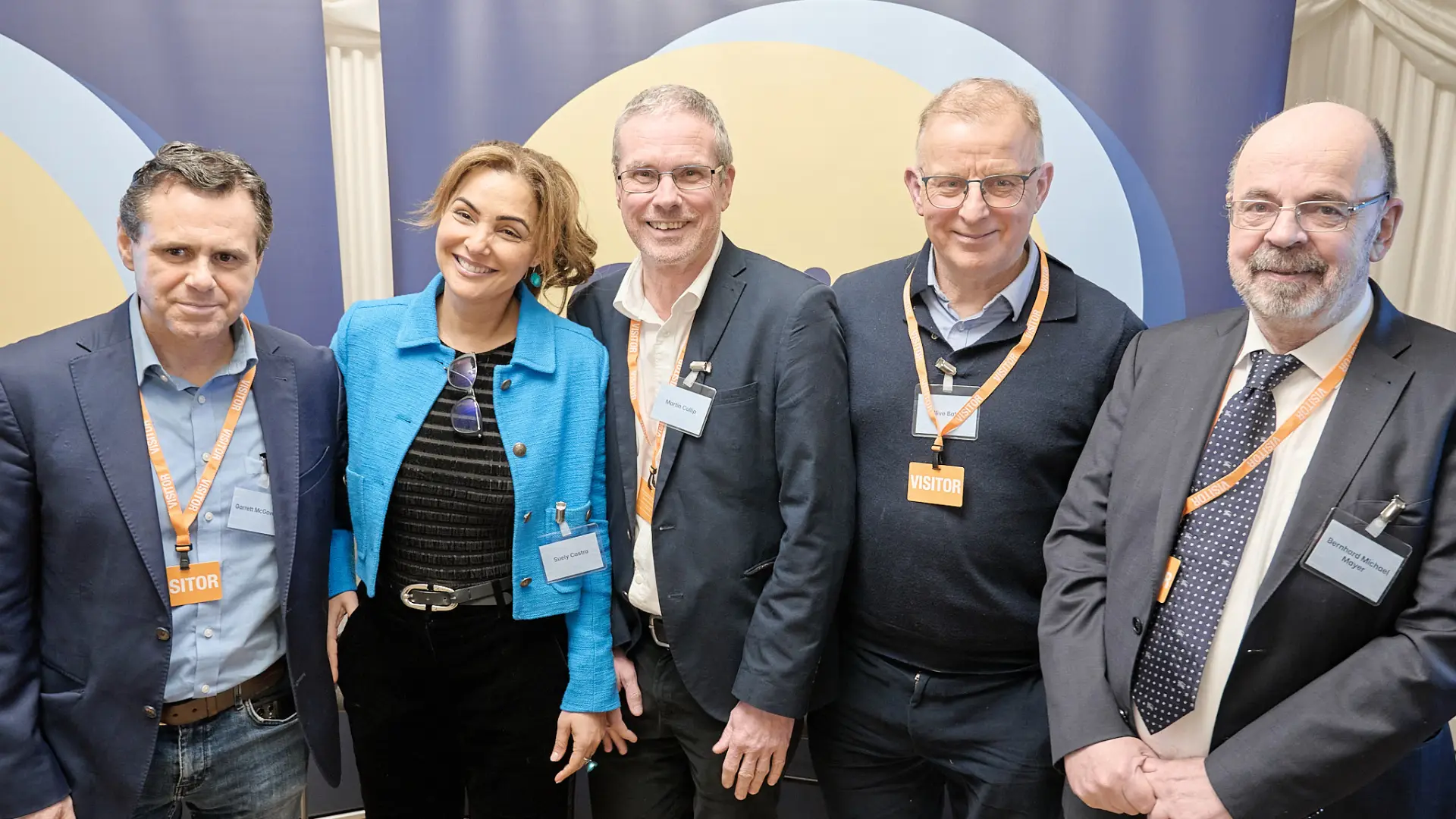
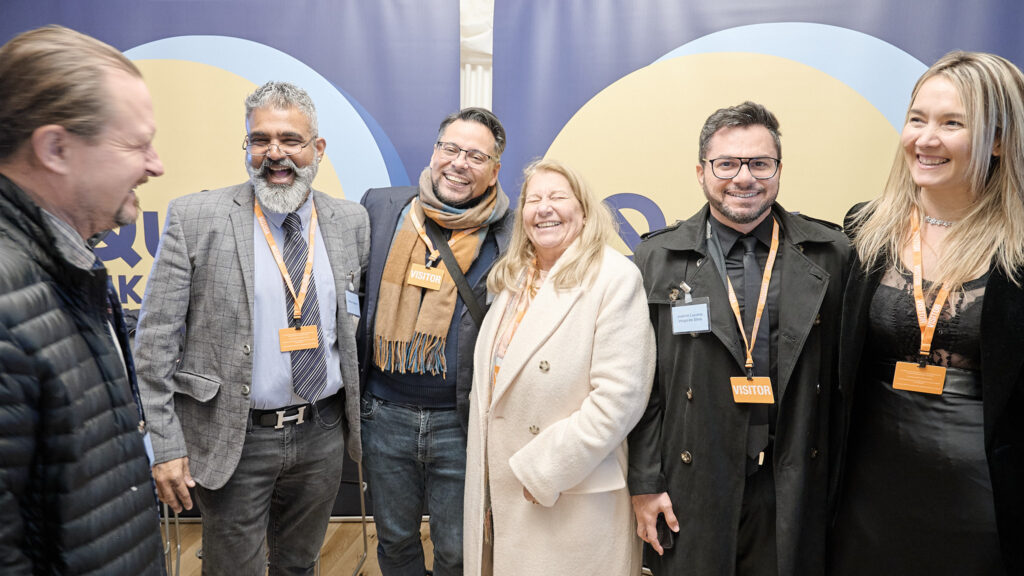
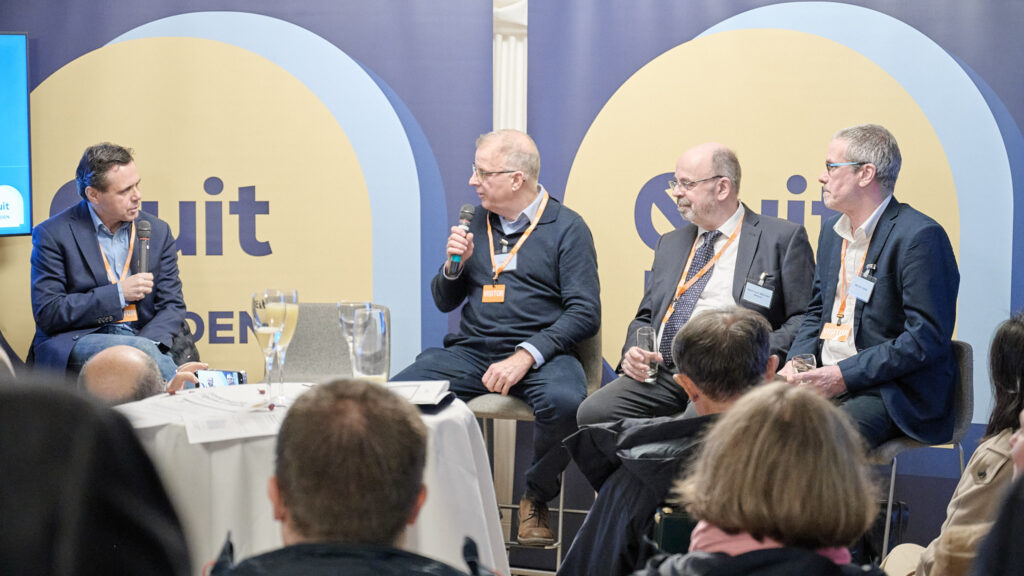
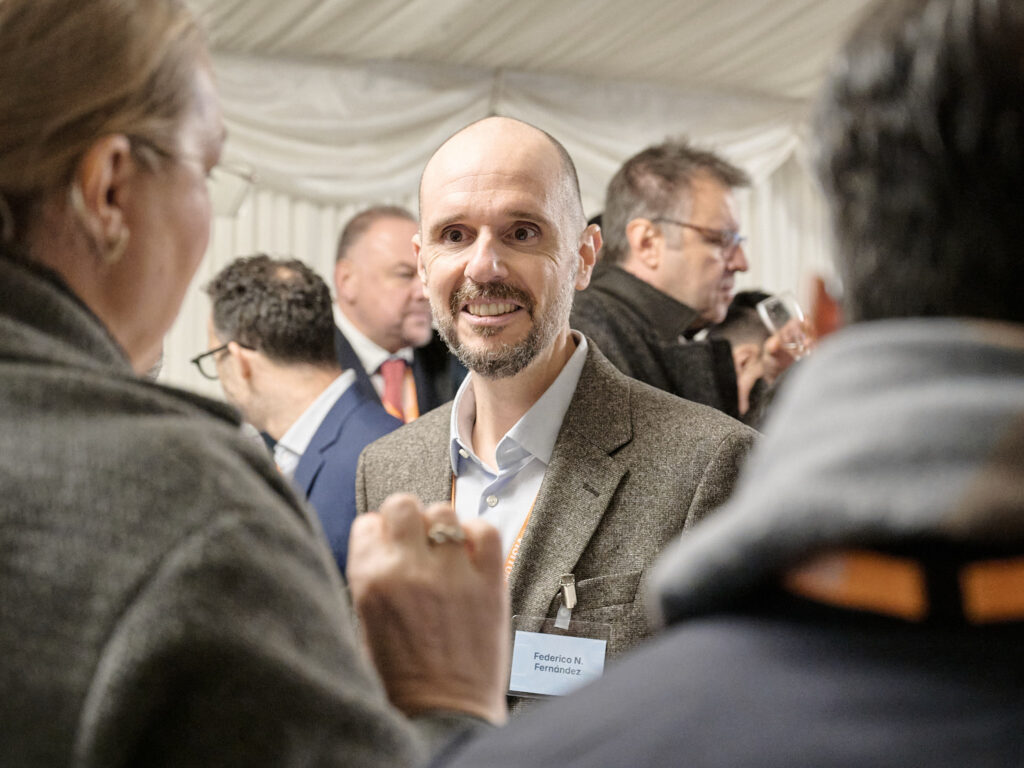
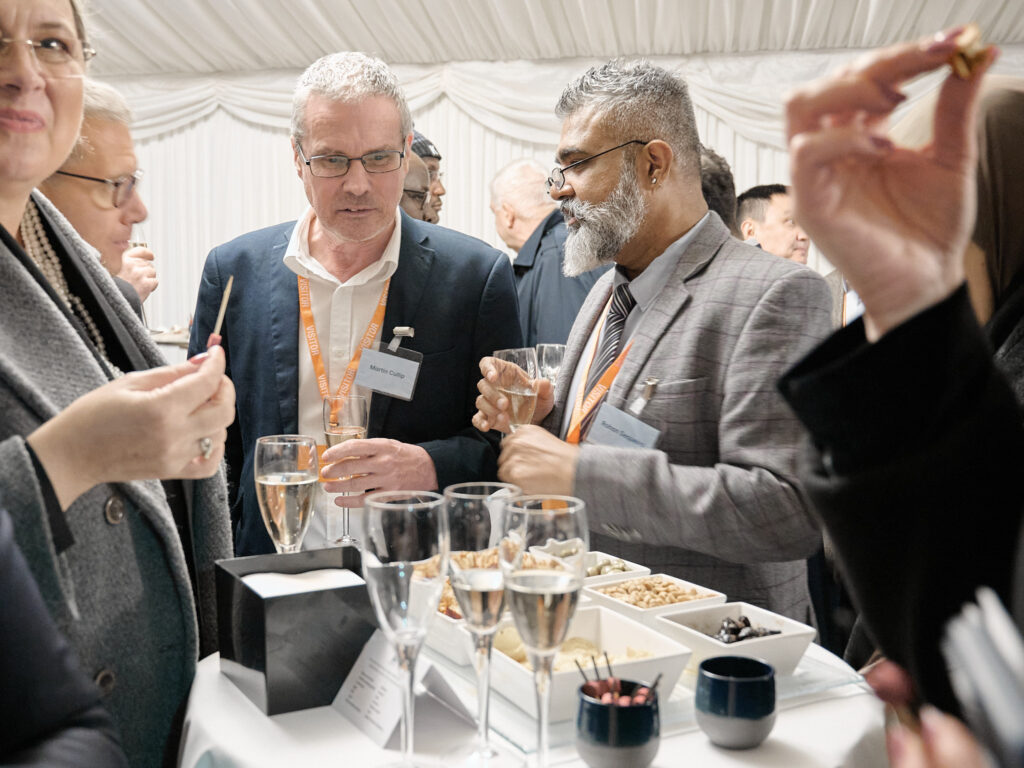
On 4 December, the global public health platform Quit Like Sweden hosted an event in London, Westminster, focusing on the global case for embracing new approaches to tobacco harm reduction.
Experts from various fields focused on three key areas essential in helping people to switch to safer nicotine alternatives: affordability, access and acceptance. These innovative approaches, adopted by Sweden, have allowed the country to enjoy the world’s lowest smoking rate of just 5.31%.
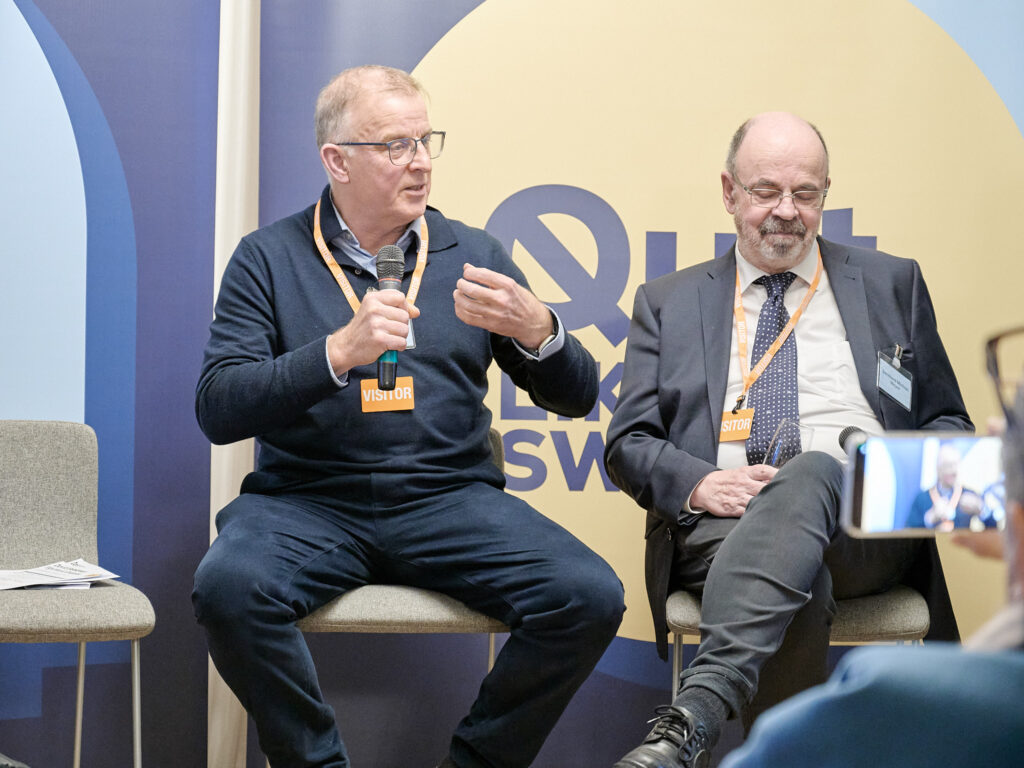
To ensure an open discussion that looked at all perspectives, THR advocate, Clive Bates, from Counterfactual, took on the role of THR sceptic, providing probing questions and robust debate.
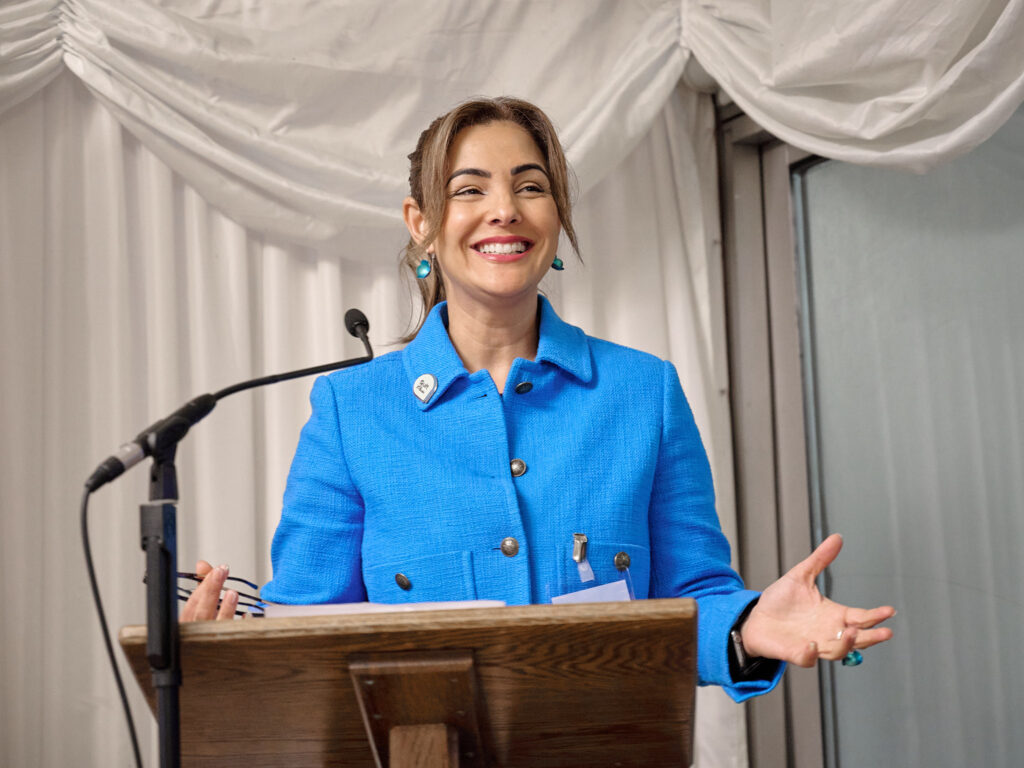
Founder of QLS, Suely Castro, introduced the event which aimed to be academic, practical, global and urgent. If safer alternatives can save lives, Castro said, what responsibility do we have to science, to fairness and to the people we serve?
Access
Martin Cullip from Taxpayers Protection Alliance spoke of the importance of consumers voices being present in the decision-making process of tobacco control, giving the example of COP11, where the World Health Organisation made concerted efforts to keep the voices of those with lived experience out. How can you have a treaty which is dealing with people’s lives that is not inclusive, he asked.
Acceptable
Pharmacologist, Professor Bernhard Mayer, discussed the BfR’s 16.6mg limit as a global standard and how the war against cigarettes has transferred to a war on nicotine. Mayer spoke about the importance of satisfying nicotine levels on SNPs products that help deter relapses. One size does not fit all, he explained, and varying nicotine levels helped consumers identify and tailor SNPs to individual needs.
Discussing the crucial role flavours play in helping smokers switch to safer nicotine products was Dr Garrett McGovern. Flavours, he said, ensured SNPs were satisfying, made the harshness of nicotine palatable and allowed smokers to disassociate with smoking more successfully. Answering Bates’ stance that flavours simply hook a new generation to nicotine, a belief adopted by tobacco control enthusiasts, McGovern was clear. A clear balance between adult harm-reduction benefits with youth-prevention must be made – without restricting choice for adult consumers. He concluded that flavours need to be managed responsibly and enforcing laws that already exist on age limits are sufficient in helping youth vaping, if they are robustly enforced.
Risk-based taxation could drive one of the biggest public health transformations of our time.David
Sweanor
Chair of the Advisory Board, Centre for Health Law
Affordable
David Sweanor, Chair of the Advisory Board, Centre for Health Law, stated taxes on SNPs should be risk-proportionate. Aligning taxes on SNPs with taxes on deadly combustibles gave the message that both products were comparable in the risk they posed to consumers. He explained we can use rational economic taxation sense to help facilitate what would be one of the greatest transformations in public health history. Bates put forward the idea there should be a blanket tax on all nicotine products in order to stamp out all consumption. Sweanor explained, what was important here was to be clear on what is the desired outcome. If the goal is to reduce nicotine, then high tax and more law enforcement would be the way forward. But, if the goal is to reduce death and disease, lower taxation on SNPs was essential in changing behaviour that would not encourage workarounds and a thriving black market.