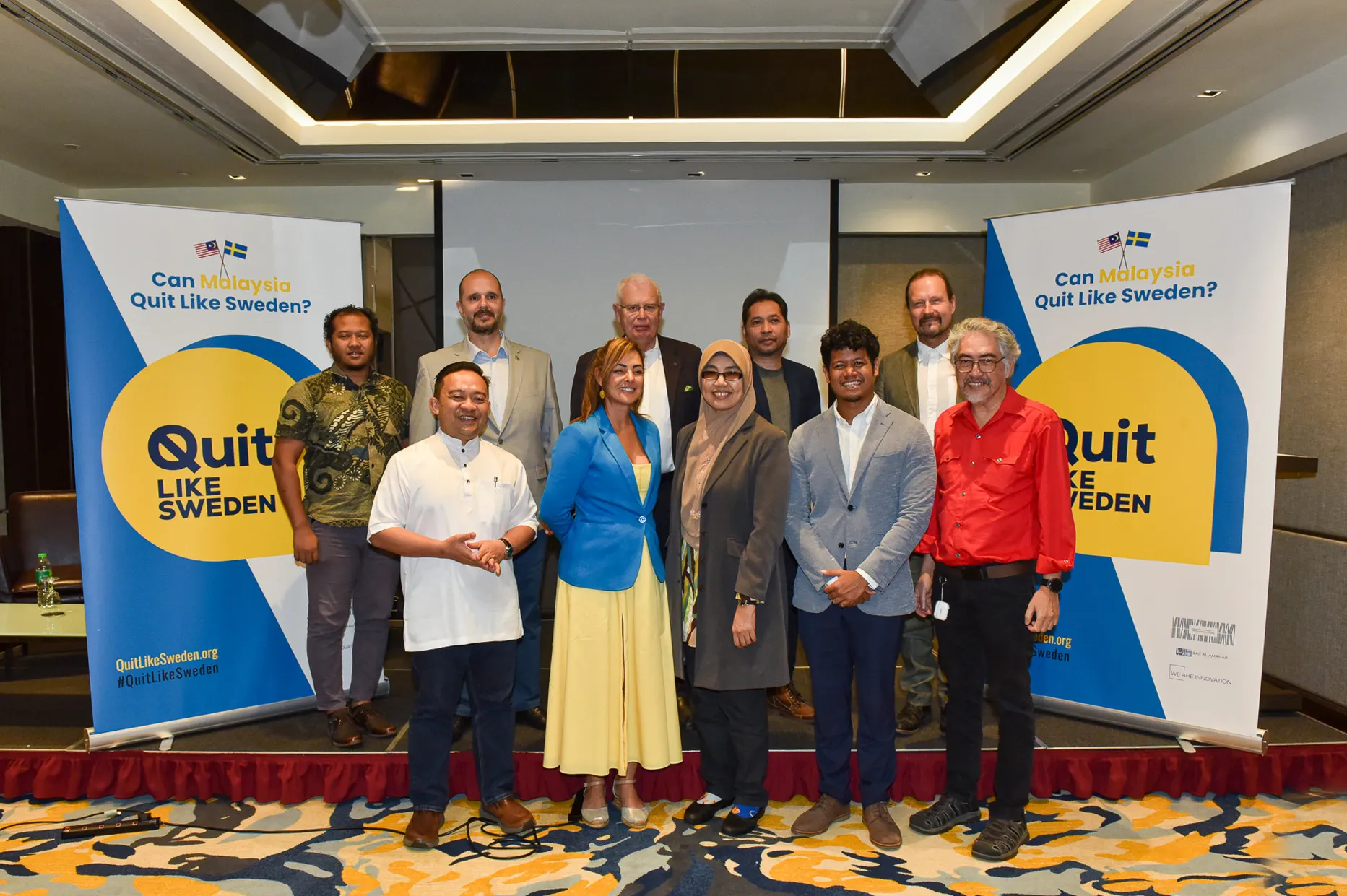
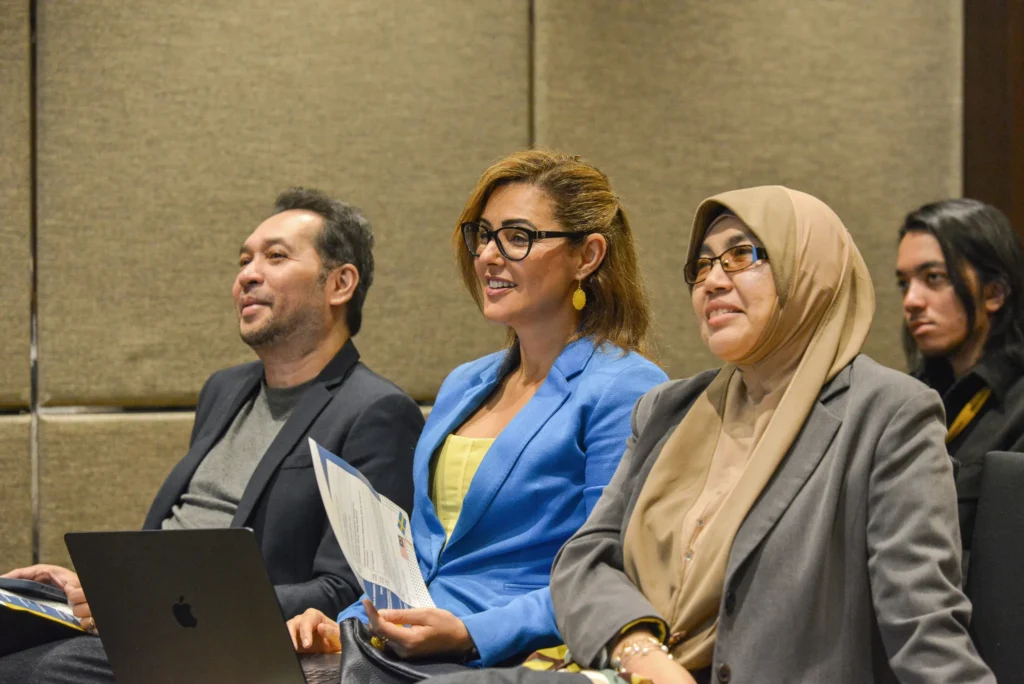
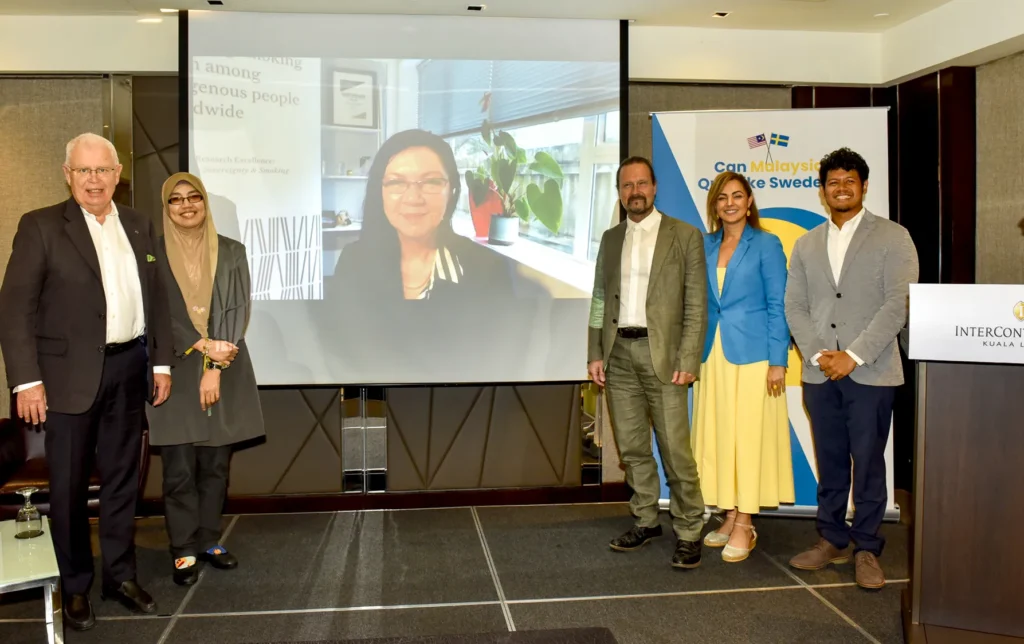
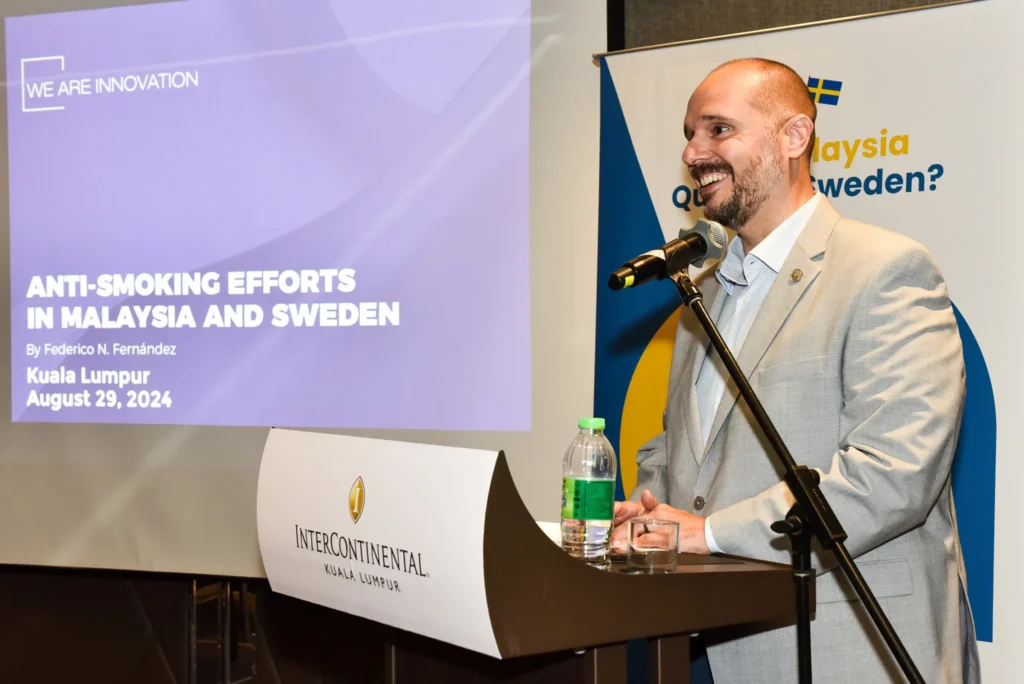
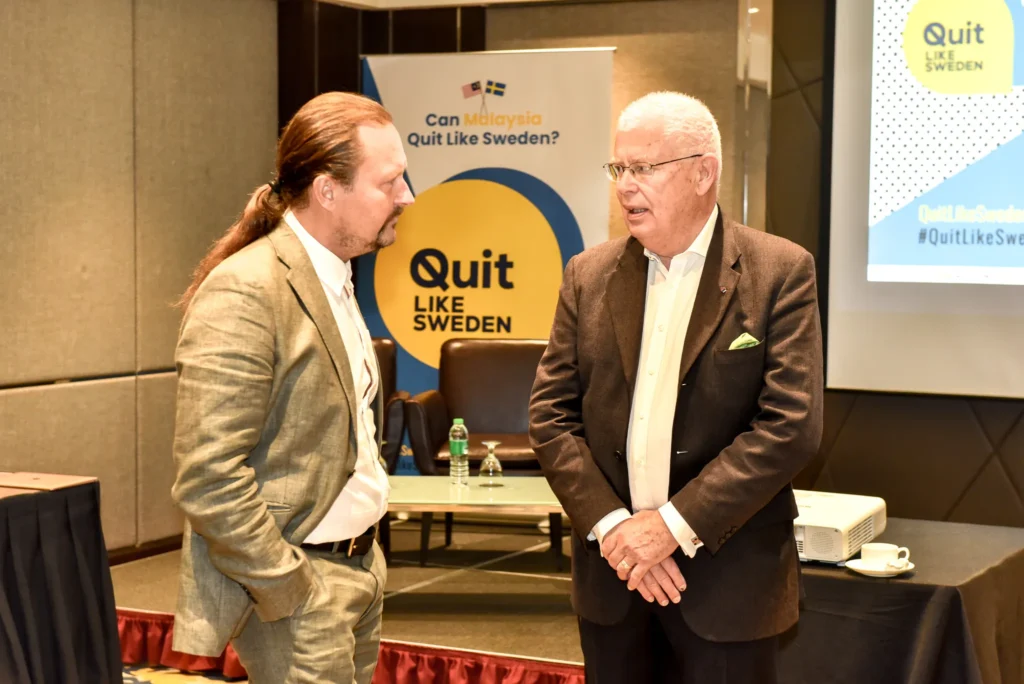
In August 2024, Quit Like Sweden brought together leading public health experts in Kuala Lumpur who said Malaysia could save hundreds of thousands lives if it embraces innovative and proven harm reduction measures to move the country’s 5 million smokers away from cigarettes.
In Kuala Lumpur, the event brought together harm reduction and public health experts, such as Dr Anders Milton and Dr Fredrik Nystrom from Sweden, Professor Sharifa Ezat Wan Puteh from Malaysia, and Professor Marewa Glover from New Zealand.
In attendance was also Malaysian member of parliament, YB Datuk Wan Saiful Wan Jan, and vaping advocates Samsul Arifin from the Malaysian Organisation of Vape Entity, Benedict Weerasena from Bait Al-Amanah, and Federico Fernandez from We Are Innovation.
The message from the Quit Like Sweden event in Kuala Lumpur was clear: Malaysia has the opportunity to save hundreds of thousands of lives. The evidence from Sweden is compelling, and the need for action is urgent. To achieve this, Malaysia must adopt policies that make alternatives to smoking both accessible, acceptable, and affordable to people who smoke. This includes educating the public about their potential.
Suely Castro
Founding Director, Quit Like Sweden
“By doing so, Malaysia can successfully learn from the Swedish experience, tailoring the Swedish approach to its own needs and significantly reduce the health burden associated with smoking,” she said.
In Sweden, while one in four adults in use nicotine daily—a rate comparable to the rest of Europe—the country experiences significantly better health outcomes.
Ms Castro said: “Sweden’s success in reducing smoking rates is unparalleled. In Sweden, the cancer incidence is 41% lower than the European average, and smoking-related deaths are less than half of those in 24 of the other 26 EU countries. This stark contrast underscores the effectiveness of Sweden’s strategies in mitigating the health impacts associated with nicotine use.”
“We have the ability to save hundreds of thousands of lives in Malaysia, and millions more around the world, just by replicating a model that has already worked so well for Sweden,” Ms Castro said. “And there’s no better time to start that conversation than now.”