
Kazakhstan faces a significant public health challenge, with non-communicable diseases accounting for approximately 81 percent of premature deaths in the country, many of them driven by risky behaviours such as tobacco use, unhealthy diets, and sedentary lifestyles.
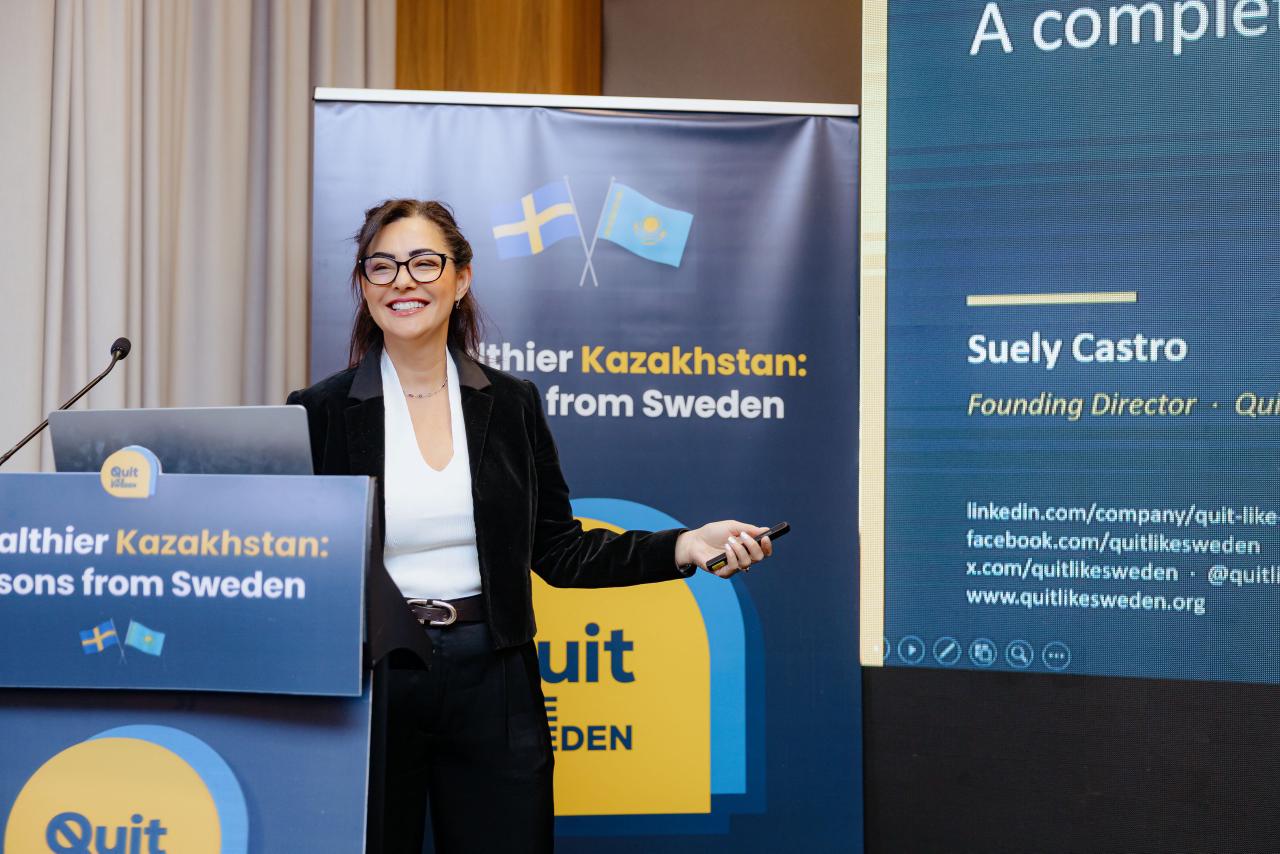
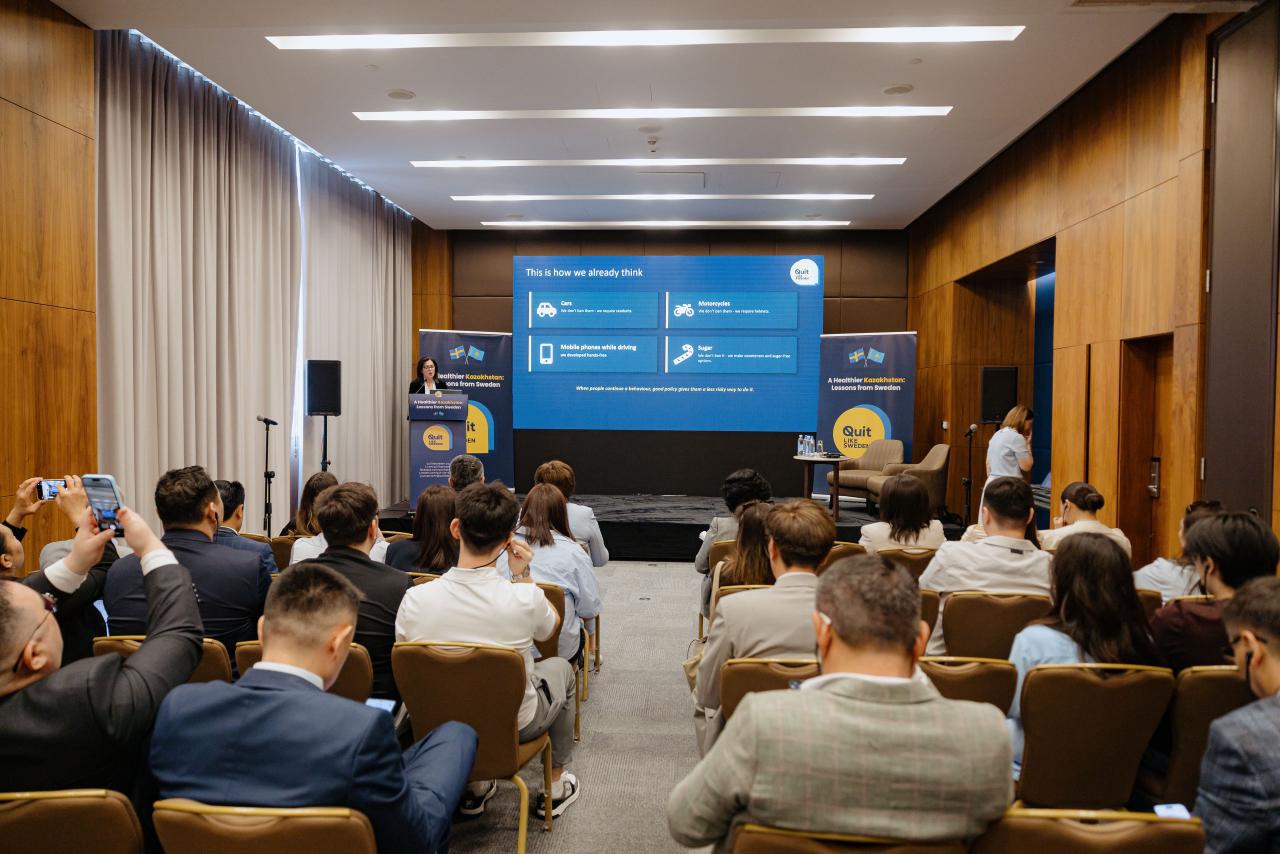
Quit Like Sweden (QLS) organised a public health event in Astana titled A Healthier Kazakhstan: Lessons from Sweden. The event brought together international and local experts across medicine, tobacco harm reduction, public policy and innovation and policy analysis. The experts examined how evidence-based approaches can help address some of the country’s most pressing public health challenges.
The discussions focused on harm reduction as a broader public health approach. One that seeks practical ways to lower the negative health consequences associated with harmful behaviours rather than relying exclusively on abstinence-based models.
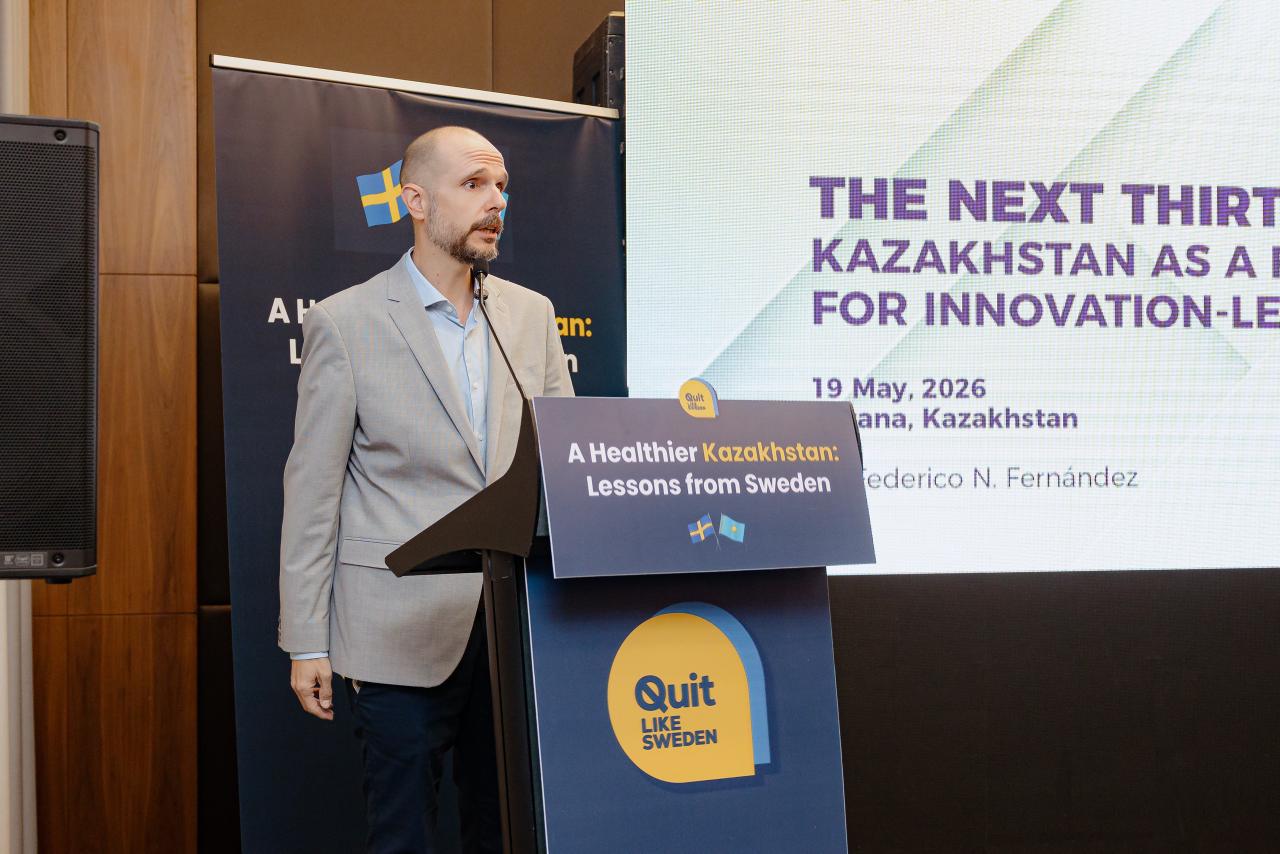
The keynote address was delivered by Dr Gintautas-Yuozas Kentra, who discussed the growing burden of non-communicable diseases in Kazakhstan. He also examined the role harm reduction can play across multiple public health areas, including smoking, alcohol use, nutrition, and lifestyle-related risks.
According to the World Health Organization (2024), 20 percent of adults in Kazakhstan currently smoke, with prevalence among men reaching 34.6 percent, approximately 2.9 million current adult smokers. In contrast, Sweden’s smoking prevalence stands at 3.7 percent, the lowest recorded figure in the world and well below the 5 percent threshold that defines smoke-free status internationally.
According to the 2023 report Integrating Harm Reduction into Tobacco Control, to which Dr Kentra contributed, Kazakhstan could prevent up to 165,000 premature deaths over the next four decades by adopting tobacco harm reduction policies.
Kazakhstan, like many countries, faces a complex health landscape where chronic diseases account for the majority of premature deaths. Public health policies are most effective when they acknowledge behavioural realities and provide pathways that reduce harm.
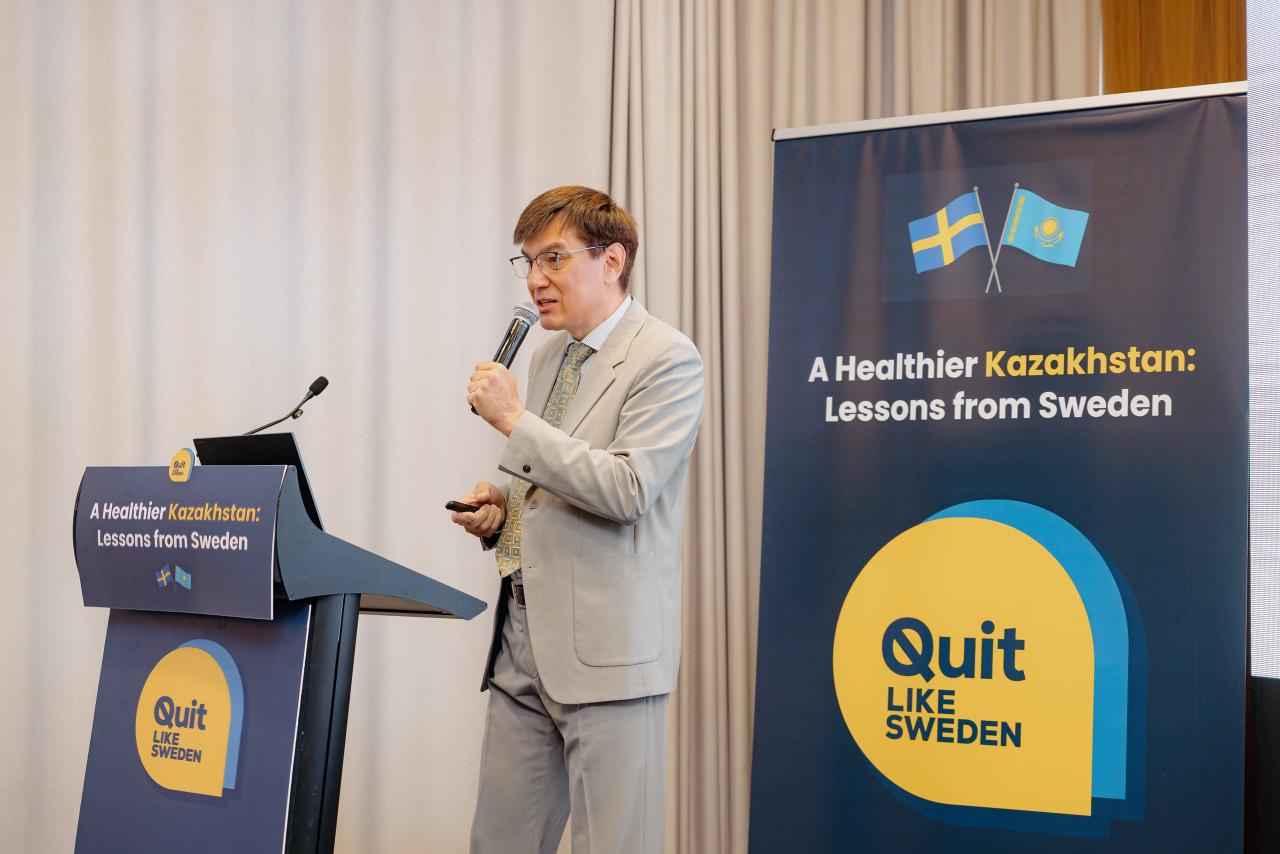
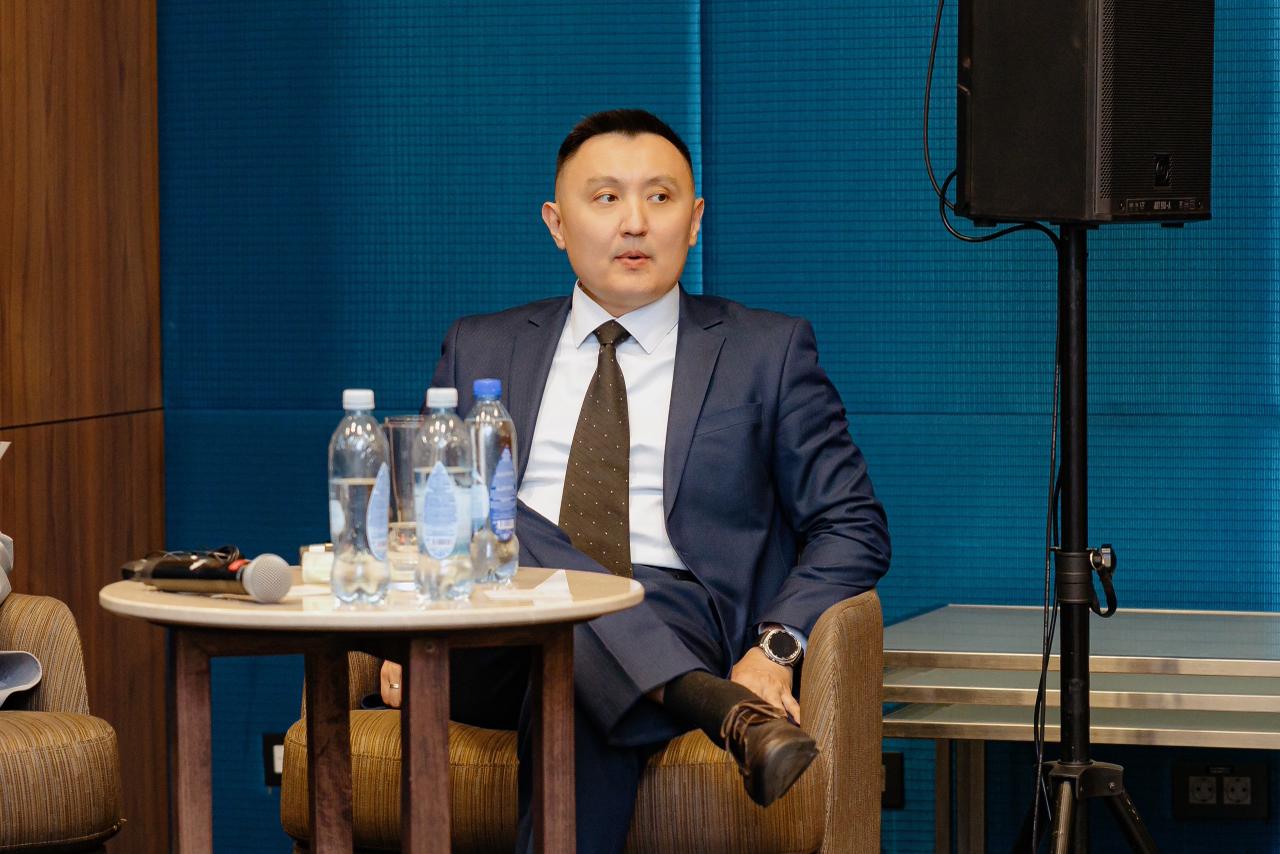
Across all four presentations, one message stood out: harm reduction is already part of our daily lives. Dr Kentra showed how it underpins modern public health, from nutrition to environment to road safety. Federico Fernández connected it to Kazakhstan's proven capacity for innovation. Gaziz Abishev identified the paradox at the heart of current policy. The main enemy is combustion, yet combustion remains legal while smoke-free alternatives are banned. He called for a transition ladder that lets smokers move to less harmful products. Sweden's example showed what becomes possible when that transition is supported in practice.
Harm reduction works because it accepts how people actually behave. Some people will continue to engage in risky behaviour. The question for any government is whether to leave them with cigarettes or give them access to a less harmful alternative. Sweden chose the second path, and the result is the lowest smoking rate in the world. Quit Like Sweden exists to bring this evidence to policymakers and the public in countries that want the same result.
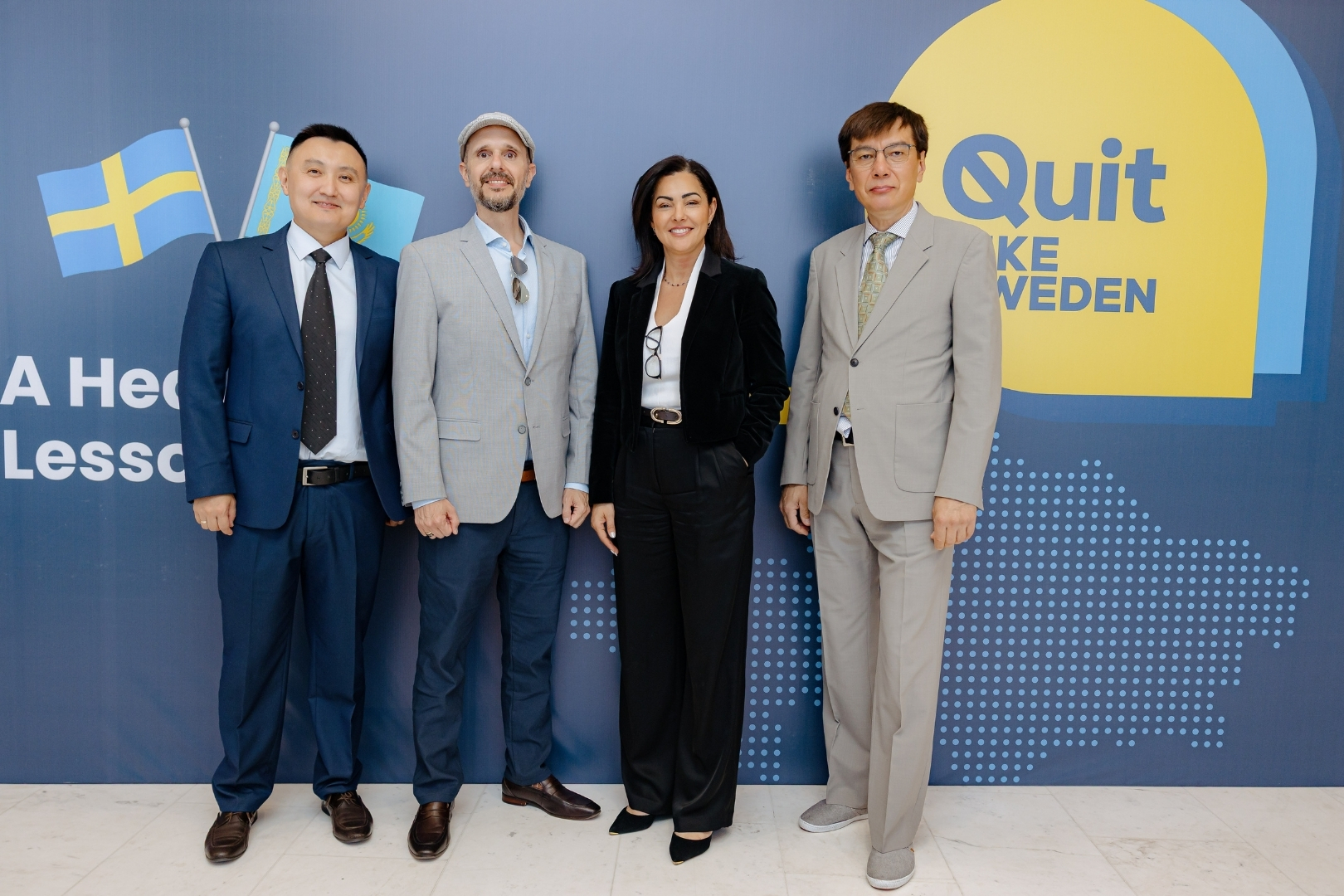
Speakers
Suely Castro
Founder and Director, Quit Like Sweden
Suely Castro is a passionate advocate for harm reduction with nearly two decades of international experience. She has dedicated her career to assessing the impact of different national approaches to tobacco control, with a focus on the real-world effectiveness of alternatives to smoking. She founded Quit Like Sweden after witnessing Sweden's public health achievements first-hand.
Dr. Gintautas-Yuozas Kentra
Deputy Chairman, Densaulyk Harm Reduction Association, Kazakhstan
Dr. Gintautas-Yuozas Kentra is Deputy Chairman of the Council and a member of the Expert Council of the Densaulyk Harm Reduction Association. He holds a medical degree and is a qualified general practitioner. In Kazakhstan, he has contributed to healthcare reform and harm reduction programmes, and now works to promote harm reduction as a tool to address non-communicable diseases.
Federico N. Fernández
CEO, We Are Innovation
Federico N. Fernández is the CEO of We Are Innovation, a global network of more than 50 think tanks and NGOs working to promote innovative solutions to public policy challenges. His work has been recognised by international publications including The Economist, El País, Folha de São Paulo and Newsweek.
Gaziz Abishev
Founder, Abishev Analytics
Gaziz Abishev is a political analyst and public policy commentator based in Kazakhstan. He is the founder of the Telegram channel Abishev Analytics, where he writes on governance, regulation and evidence-based policymaking in Kazakhstan and the wider region.